
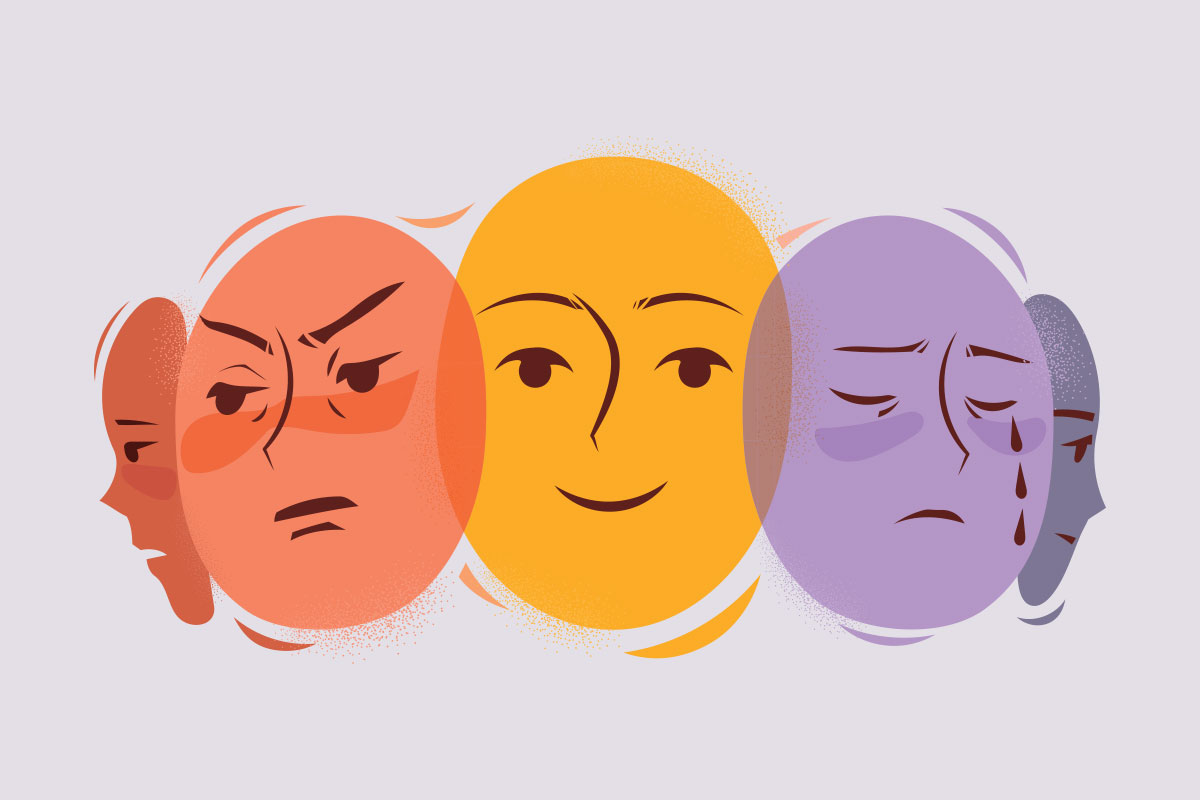
Sleeve gastrectomy can bring significant changes to a person’s life—not only physically, but emotionally as well. Many patients experience improvements in self-confidence, mobility, energy, and overall quality of life as they lose weight and improve their health.
However, weight-loss surgery is also a major life adjustment. Some patients experience anxiety, changes in mood, challenges with body image, or shifts in personal relationships. These experiences vary considerably from person to person, and emotional difficulties are not an inevitable consequence of surgery.
As a bariatric surgeon, I’ve seen how rewarding these transformations can be, but I also recognize the importance of preparing patients for the emotional aspects of their weight-loss journey. Understanding what to expect, maintaining realistic expectations, and knowing when to seek support can make a meaningful difference.
In this article, we’ll discuss some of the emotional changes patients may experience after sleeve gastrectomy, as well as practical ways to navigate them.
Common Emotional Changes After Sleeve Gastrectomy Surgery
Anxiety
Some patients experience anxiety during the weeks or months following sleeve gastrectomy. Concerns about surgical recovery, adjusting to new eating habits, meeting weight-loss expectations, or regaining weight can contribute to these feelings.
For many patients, these concerns improve as they recover, become more comfortable with their new routines, and see improvements in their health. However, anxiety that persists, worsens, or interferes with daily life deserves attention and support.
Open communication with the bariatric team, realistic expectations, support from family and friends, and professional counseling when appropriate can help patients navigate these adjustments.
Depression
Many patients experience improvements in mood, self-esteem, and overall quality of life after sleeve gastrectomy. However, some patients may experience depression or worsening depressive symptoms during their recovery or in the months and years following surgery.
Weight-loss surgery can improve physical health, but it does not automatically resolve every emotional or psychological challenge. Changes in body image, relationships, eating habits, and expectations may contribute to emotional difficulties. Patients with a history of depression may also need continued treatment and support after surgery.
It is important to distinguish temporary feelings of sadness or frustration from clinical depression. Persistent low mood, loss of interest in previously enjoyable activities, changes in sleep, hopelessness, or difficulty functioning in daily life may indicate the need for professional evaluation.
Patients experiencing these symptoms should discuss them with their bariatric team or mental health professional. Depression is treatable, and addressing emotional health is an important part of long-term success after bariatric surgery.
Mood Swings
Some patients experience temporary changes in mood following sleeve gastrectomy, including irritability, frustration, sadness, or increased emotional sensitivity. Others notice improvements in their mood and emotional well-being as their health and quality of life improve.
Several factors can contribute to these changes. Recovery from surgery, rapid changes in eating habits, disrupted sleep, stress, and adjusting to a new lifestyle can all influence emotional well-being. Changes in hormones and metabolism may also play a role, although their direct effects on mood are not completely understood.
For some patients, food has served as an important source of comfort or a way to cope with stress. After sleeve gastrectomy, adapting to a different relationship with food may require developing new coping strategies.
Occasional emotional ups and downs are not necessarily a cause for concern. However, persistent or worsening mood changes should be discussed with the bariatric team, particularly if they interfere with relationships, work, or daily activities.
Changes in Relationships
Significant weight loss after sleeve gastrectomy can affect relationships with spouses, family members, friends, and coworkers. Many patients experience positive changes as improved health, greater mobility, and increased self-confidence allow them to participate more fully in activities and relationships.
However, changes in appearance, self-image, lifestyle, and personal expectations can sometimes create unexpected challenges. A patient’s growing confidence or changing priorities may alter established relationship dynamics. Occasionally, loved ones may struggle to adjust to these changes.
Relationships can also be affected by changes in eating habits and social activities. Family meals, celebrations, and other gatherings often revolve around food, and patients may need to establish new routines or boundaries.
Open and honest communication is important throughout this process. Discussing expectations, involving loved ones in healthy lifestyle changes, and seeking counseling when needed can help patients maintain supportive relationships during their weight-loss journey.
Insecurity
Even after substantial weight loss, some patients experience feelings of insecurity following sleeve gastrectomy. These feelings may involve concerns about maintaining their progress, regaining weight, or adjusting to a new lifestyle.
For many patients, previous attempts at weight loss have been followed by weight regain. As a result, it can be difficult to trust that their improvements will last, even when surgery is producing excellent results.
Patients may also feel uncertain about changing expectations from family, friends, or themselves. Significant weight loss does not automatically eliminate longstanding worries or insecurities.
It is important to recognize that some weight fluctuation is normal and that long-term weight management requires ongoing attention. Regular follow-up with the bariatric team, realistic expectations, and a supportive environment can help patients develop confidence in their ability to maintain their progress.
Rather than focusing exclusively on the number on the scale, I encourage patients to recognize improvements in their health, mobility, energy, and quality of life. These victories are often just as meaningful as the weight lost.
Changes in Coping Habits and Alcohol Use
For some patients, food has traditionally provided comfort during periods of stress, sadness, boredom, or anxiety. After sleeve gastrectomy, changes in eating habits and the amount of food patients can comfortably consume may make these familiar coping strategies less accessible.
Most patients adapt successfully, but some may struggle to find new ways to manage difficult emotions. Occasionally, unhealthy behaviors involving alcohol, shopping, gambling, or other activities may emerge. This is sometimes described as transfer addiction, although research has not established that patients routinely replace an addiction to food with another addiction.
Alcohol deserves particular attention. Bariatric surgery can change how alcohol is absorbed and processed by the body. After sleeve gastrectomy, some patients may experience higher blood alcohol concentrations and more pronounced effects from a given amount of alcohol than they experienced before surgery.
Research has also identified an increased risk of alcohol-related problems in some patients following bariatric surgery. The risk differs between procedures and individuals, and it should not be interpreted as an inevitable consequence of weight-loss surgery.
I encourage patients to develop healthy coping strategies, including physical activity, supportive relationships, hobbies, and stress-management techniques. Patients who notice increasing alcohol consumption or difficulty controlling other behaviors should discuss these concerns with their bariatric team. Early recognition and appropriate support can help prevent more serious problems.
Body Image and Adjusting to Weight Loss
Many patients experience significant improvements in body image, self-confidence, and overall quality of life after sleeve gastrectomy. However, adjusting to a changing body can sometimes be more complicated than expected.
Some patients continue to see themselves as overweight even after losing a substantial amount of weight. Others may become frustrated with loose or excess skin, changes in body proportions, or the fact that their appearance does not match their original expectations.
These feelings do not necessarily mean that patients are dissatisfied with their surgery. Rather, emotional adjustment does not always occur at the same pace as physical weight loss.
One concept I frequently emphasize in my practice is the importance of non-scale victories. These are improvements that cannot be measured simply by stepping on a scale.
Examples include:
- Walking longer distances without becoming short of breath.
- Playing with children or grandchildren more comfortably.
- Discontinuing medications for obesity-related medical conditions.
- Sleeping better and having more energy.
- Traveling, exercising, or participating in activities that previously seemed difficult.
- Feeling more comfortable and confident in everyday situations.
Recognizing these accomplishments helps patients appreciate the broader health benefits of surgery rather than judging their success exclusively by their weight or appearance.
For patients struggling with persistent body-image concerns, counseling or participation in a bariatric support group can be helpful. The goal is not simply to achieve a different appearance, but to develop a healthier relationship with one’s body and recognize the meaningful improvements in health and quality of life that surgery can provide.
Tips for Managing Emotional Changes After Sleeve Gastrectomy Surgery
Seek Support
It’s important to have a support system in place after sleeve gastrectomy surgery. This may include friends and family, support groups, and a professional therapist. Talking about your feelings and emotions can help you manage them more effectively. Other patients can also be of great assistance to you since they can identify with your journey better than most.
Practice Self-Care
Taking care of yourself is crucial after sleeve gastrectomy surgery. This may involve engaging in enjoyable hobbies, obtaining sufficient rest, and practicing relaxation techniques such as prayer, meditation, and yoga. I cannot stress enough the necessity of continuously engaging in healthful activities. You know how to exercise. You know how to eat well. You know how to get enough sleep. You know not to isolate socially. You know how to invest in yourself spiritually. Now is the time to do it.
Focus on Positive Changes
While there may be challenges associated with sleeve gastrectomy surgery, it’s important to focus on the positive changes as well. These can include improved health, increased energy, and a better quality of life. Personally, I love the so-called non-scale victories (NSVs). Can you cross your legs? Can you tie your shoes? Can you walk for 30 minutes without stopping? Do you still need the seatbelt extender on planes? These NSVs can be great positive changes to focus on instead of constantly staring at the scale.
Follow a Healthy Diet & Exercise Regimen
It goes without saying that eating a healthy, well-balanced diet and engaging in regular physical activity can aid in weight reduction and enhance overall mental and physical health. You will never be at your best physically or mentally if your diet and exercise habits are subpar.
Consider Therapy
If you’re experiencing persistent anxiety, depression, or difficulty adjusting emotionally after sleeve gastrectomy, consider speaking with a mental health professional. Counseling can provide valuable support and help you develop healthy coping strategies. There should be no stigma associated with seeking help. Emotional well-being is just as important as physical health throughout your weight-loss journey.
Journaling
Keeping a journal can be a useful technique for coping with emotional changes after sleeve gastrectomy. Writing down your thoughts and feelings can help you process and make sense of your experiences. There’s really no difference between writing and thinking. If you want to think deeply and explore your emotions purposefully, journaling is an excellent way to do it.
Adequate Sleep
Getting enough sleep is important for overall health and well-being, and it can also help with managing emotions after sleeve gastrectomy surgery. Aim for 7 to 8 hours of quality sleep each night to help reduce stress and anxiety and improve mood. Sleep is quite possibly our one and only superpower. Jealously guard your sleep and don’t self-sabotage by doing things you know will interfere with getting restful sleep at night.
Emotional Changes After Sleeve Gastrectomy Surgery Are Manageable
Emotional changes after sleeve gastrectomy are manageable, and many patients experience improvements in confidence, emotional well-being, and quality of life as their health improves.
However, surgery is only one part of the journey. Maintaining supportive relationships, developing healthy coping strategies, and addressing emotional concerns when they arise are all important aspects of long-term success.
As a bariatric surgeon, I encourage patients to view their progress as more than simply a number on the scale. Better health, greater mobility, stronger relationships, and improved quality of life are often the most meaningful outcomes.
Patients experiencing persistent or worsening emotional difficulties should speak with their bariatric team or a qualified mental health professional.
Considering Sleeve Gastrectomy?
If you’re considering weight-loss surgery, an individualized evaluation can help you understand the procedure, expected outcomes, and physical and emotional changes that may follow.
Dr. Samuel Bledsoe provides bariatric and metabolic surgery care at UAMS Health in Bryant, Arkansas, serving patients throughout Central Arkansas.
Learn more about bariatric surgery services with Dr. Bledsoe.
Verify Insurance & Request Consultation
Our UAMS insurance verification specialist will review your benefits, and our team aims to contact you within 72 hours to discuss coverage and next steps.
Interested in seeing Dr. Bledsoe? You can select him as your preferred surgeon when completing the form.
Prefer to call? (501) 252-6650.
READY TO EXPLORE WEIGHT LOSS SURGERY?
Start by checking your insurance benefits through UAMS Health in Bryant. Our team will help you understand your coverage and next steps.
Prefer to speak with someone? Call (501) 252-6650